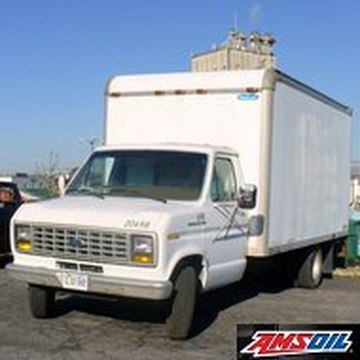
Engine Lubrication and Service for the 1982 Ford Trucks E350 VAN 5.8L
Maintaining a large-displacement engine like the 5.8L found in the 1982 Ford Trucks E350 VAN requires consistent attention to lubrication standards and mechanical integrity. Because these vehicles are often utilized for heavy tasks or long-distance transport, the engine oil serves as a primary line of defense against internal wear and thermal stress. Proper maintenance involves more than just periodic fluid changes; it requires a proactive approach to monitoring the vehicle's condition and understanding how different lubricants interact with aging mechanical components.
Monitoring Fluid Integrity and Potential Leaks
One of the most effective ways to monitor the health of the 5.8L engine is through regular visual inspections for fluid seepage. Over time, various gaskets and seals may experience changes in elasticity due to heat cycles and age. When performing routine maintenance, it is useful to inspect the area around the engine block and the underside of the vehicle for any signs of fresh oil residue.
If you notice wetness or dark staining on the engine surfaces, this may indicate a need to investigate specific seals or gaskets. Similarly, checking the condition of the oil filter mounting area can help ensure that the sealing surface is clean and that the filter is properly seated. It is also beneficial to observe the ground where the van is parked; small, consistent drips can be an early indicator of a slow leak that warrants attention before it leads to significant fluid loss.
Observing Changes in Engine Performance
While visual inspections are vital, paying attention to how the engine behaves during operation provides critical context. Any sudden changes in how the vehicle runs should be investigated promptly. For example, if you notice an unusual odor that seems related to oil contacting a hot surface, this can be associated with a leak that is not immediately visible from the ground.
Changes in the way the engine sounds or any unexpected fluctuations in operating temperature are also important signals. While these symptoms can have multiple causes—ranging from cooling system issues to electrical concerns—they often serve as an early warning that the vehicle's maintenance baseline needs to be re-evaluated. If you observe any unusual exhaust characteristics, such as smoke that appears darker or thicker than usual, this warrants a professional inspection to determine the underlying cause.
Managing Maintenance Records for Long-Term Ownership
For owners of a 1982 Ford Trucks E350 VAN, establishing and maintaining a detailed service history is one of the most practical steps toward long-term reliability. When a vehicle has been in service for several decades, knowing exactly when the last oil change occurred, which specific lubricants were used, and what filters were installed can prevent overlapping or missed service tasks.
If you have recently acquired this vehicle and do not have access to previous records, your first priority should be establishing a new maintenance baseline. This involves performing a thorough inspection of all fluids and age-sensitive components to determine their current state. Once a baseline is set, keeping a consistent log of every service interval, repair, and observation will allow you to track trends—such as increasing oil consumption or the frequency of seal replacements—which can help in making informed decisions about future repairs.
Inspecting Auxiliary Engine Components
Beyond the lubrication system itself, several peripheral components should be part of a routine inspection routine. If equipped, accessible drive belts should be checked for signs of deterioration such as cracking, glazing, or fraying. These belts are essential for various engine-driven accessories, and their condition can impact the overall stability of the engine's operating environment.
Additionally, if the vehicle is equipped with various hoses, these should be inspected for softness, swelling, or visible cracks. Ensuring that electrical connections and wiring harnesses remain secure and free from corrosion is also a vital part of preventing unexpected interruptions in service. By addressing these secondary components during an oil service, you can catch minor issues before they escalate into more complex mechanical problems.
Prioritizing Service Based on Current Condition
As vehicles age, maintenance strategies often shift from strictly following a calendar to focusing on the actual condition of the hardware. Rather than replacing parts based solely on their age, it is often more effective to prioritize tasks based on what the vehicle currently requires. For instance, addressing an active, slow-moving leak or investigating a new noise should take precedence over general preventive measures.
This condition-based approach helps distinguish between necessary repairs and unnecessary parts replacement. By monitoring changes in how much oil the engine consumes or observing any shifts in fluid color and texture during service, you can tailor your maintenance schedule to the specific needs of your 5.8L engine. This ensures that resources are directed toward the areas that most impact the vehicle's continued operation.
Practical Advice for BUYING ENGINE OIL for your 1982 Ford Trucks E350 VAN 5.8L
When it is time to replenish your engine oil, the most important step is to ensure the product you select matches the specific requirements of your application. Do not rely on general assumptions about what an older engine might need; instead, match the engine oil to the application-specific viscosity information already displayed on this webpage.
As you shop for lubricants, consider the following practical steps:
- Verify Product Labels: Always check the container to ensure the SAE viscosity and API service classifications align with the data provided in your vehicle's documentation.
- Evaluate Formulations: Depending on your engine's current condition, you may choose between conventional oil, synthetic blends, or full synthetic options. Some high-mileage oil formulations contain additives intended for use in aging engines, including seal-conditioning additives that may be useful for older seals.
- Check Certification: Ensure the oil meets the appropriate modern quality standards to provide effective protection against oxidation and deposit formation.
By following the specific viscosity and application guidance provided on this page, you can select a lubricant that is appropriate for your 1982 Ford Trucks E350 VAN 5.8L.